La Roche-Posay
Rated: Fair
Price: $$
Location: France
Quick verdict
La Roche-Posay is best for consumers with sensitive, acne-prone, or compromised skin who want dermatologist-backed, science-driven skincare at pharmacy-accessible prices. The brand benefits significantly from L’Oréal’s ambitious group-level sustainability infrastructure: 97% renewable energy, SBTi targets, and EcoVadis Platinum recognition. Key caveat: The brand is not cruelty-free (L’Oréal tests on animals where legally required, notably in China) and has missed packaging sustainability targets significantly. Brand-level sustainability reporting is thin, relying heavily on parent company disclosures.
Key info
- Headquarters
- La Roche-Posay, France
- Founded
- 1975
- Product categories
- Beauty
- Price range
- $$
- Key certifications
- All palm oil RSPO-certified, L'Oréal holds SBTi-approved targets, EcoVadis Platinum (top 1%, 3 consecutive years), Ethisphere World's Most Ethical Companies (15 times). NOT cruelty-free.
La Roche-Posay sustainability rating
Our ratings are based on a scale from 1 (We Avoid) to 5 (Excellent). How we rate
Rating breakdown
Core ingredient is selenium-rich thermal spring water from La Roche-Posay, France. Shea butter sustainably sourced from Burkina Faso. All palm oil is RSPO-certified. 93% of biobased ingredients traceable from sustainable sources. However, there is no evidence it uses lower-impact ingredients at brand level, and formulas include synthetic ingredients and chemical sun filters.
L’Oréal publishes a supplier code of conduct prohibiting forced/child labor. Fair Labor Association partnerships. EcoVadis Platinum for procurement. Named one of world’s most ethical companies 15 times by Ethisphere. However, code doesn’t explicitly ensure living wages or collective bargaining where not legally required.
L’Oréal’s 97% renewable energy and 74% industrial emissions reduction since 2019 are impressive. Paper-based Anthelios tubes reduce plastic by 45%. Refill pouches with 73% less plastic launched in 2024. However, missed 2025 packaging targets (only 49% recyclable vs. 100% goal). Scope 3 emissions "far off track."
L’Oréal publishes extensive group-level sustainability data (Universal Registration Document, EcoVadis, CDP). La Roche-Posay has a sustainability page with high-level details but lacks brand-specific data. Developing the EcoBeautyScore Consortium for consumer-facing product scores.
Products priced $10–$50: significantly cheaper than SkinCeuticals ($40–$180) while maintaining clinical credibility. Average Amazon price ~$20 with 4.6-star ratings across 147K+ reviews. Excellent value given dermatologist backing and 750+ clinical studies.
What they do well
- Science-backed formulations. Over 750 clinical studies and 25+ years of dermatological research, Recommended by 90,000+ dermatologists worldwide. Products used in cancer care and palliative care settings
- Significant climate action via L’Oréal: 97% renewable energy globally (100% in Europe). 74% industrial emissions reduction since 2019. SBTi-approved targets. €150M invested in environmental and social initiatives
- Packaging innovation. Pioneered paper-based cosmetic tubes with Albéa (reducing plastic 45%). First refill pouches launched in 2024 (73% less plastic). Testing coral impact of sunscreen formulas with Monaco Scientific Center
- Ethical sourcing programs. Sustainably sourced shea butter from Burkina Faso. RSPO-certified palm oil (100%). Ethical jasmine procurement with FLA audits. Goal: 100% traceable biobased ingredients by 2030
- Accessibility and affordability, available in pharmacies, Target, Ulta, Amazon across 60+ countries. Priced $10–$50 without compromising clinical standards
Room for improvement
- Not cruelty-free: L’Oréal tests on animals where legally required (notably China). No Leaping Bunny or PETA certification. L’Oréal claims no internal testing since 1989 but allows third-party/regulatory testing. Ecothes specifically investigated and concluded the brand is not cruelty-free. This is a dealbreaker for many ethical consumers.
- Missed packaging targets significantly: L’Oréal hit only 49% (vs. 100% target) for recyclable/reusable/refillable packaging by 2025. Only 37% recycled/biobased content vs. 50% target. No take-back programs or recycling guidelines for product containers.
- Scope 3 emissions off track: While Scopes 1 & 2 are impressive, L’Oréal’s Scope 3 emissions (96% of total footprint) are "far off track" per SBTi. Overall carbon footprint has grown due to business expansion, undermining per-product efficiency gains.
About La Roche-Posay
La Roche-Posay was founded in 1975 by French pharmacist René Levayer in the eponymous town in western France, home to selenium-rich thermal springs used for dermatological treatments since the 14th century. The thermal center (est. 1905) has treated 450,000+ patients for eczema, psoriasis, burns, and post-cancer skin complications. L’Oréal acquired the brand in 1989, placing it within the Active Cosmetics Division alongside CeraVe, Vichy, and SkinCeuticals.
The cornerstone ingredient is La Roche-Posay Thermal Spring Water. Naturally rich in selenium with antioxidant, anti-inflammatory, and prebiotic properties. Other key ingredients include ceramides, niacinamide, hyaluronic acid, salicylic acid, panthenol, and proprietary sun filters like Mexoryl SX and UVMune 400. Shea butter is sustainably sourced from Burkina Faso; all palm oil is RSPO-certified.
Manufacturing occurs across L’Oréal’s 38 factories (19 in Europe), with 97% running on renewable energy. Products sold in 60+ countries through pharmacies, dermatologist offices, and mass retail (Target, Ulta, Amazon). Pricing sits between drugstore (CeraVe, ~$8–$20) and premium dermatological (SkinCeuticals, $40–$180), offering exceptional clinical value at the pharmacy tier.
Product highlights
Cicaplast Balm B5+
Multi-use soothing balm with panthenol, madecassoside, thermal spring water
~$12–$18
Cult-favorite barrier repair hero; recommended in cancer care settings
Toleriane Double Repair Face Moisturizer
Ceramide and niacinamide moisturizer; oil-free, fragrance-free
~$13–$26
Amazon #1 in its category with 100K+ monthly orders; exceptional accessibility
Anthelios Mineral Tinted Sunscreen SPF 50
Mineral sunscreen with titanium dioxide
~$34–$37
Patented UV filter technology; Hawaii-compliant; pioneering paper-based tube packaging
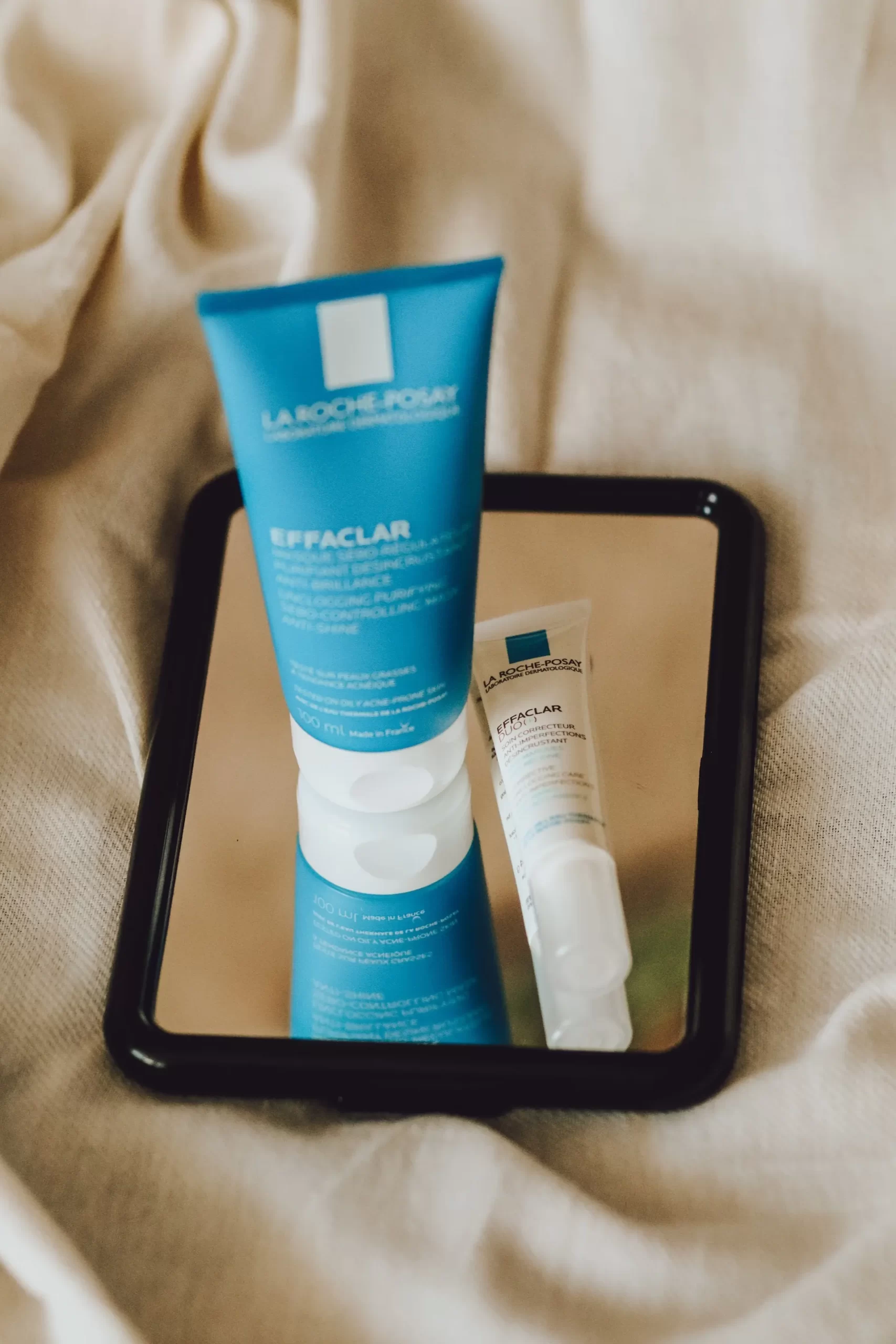
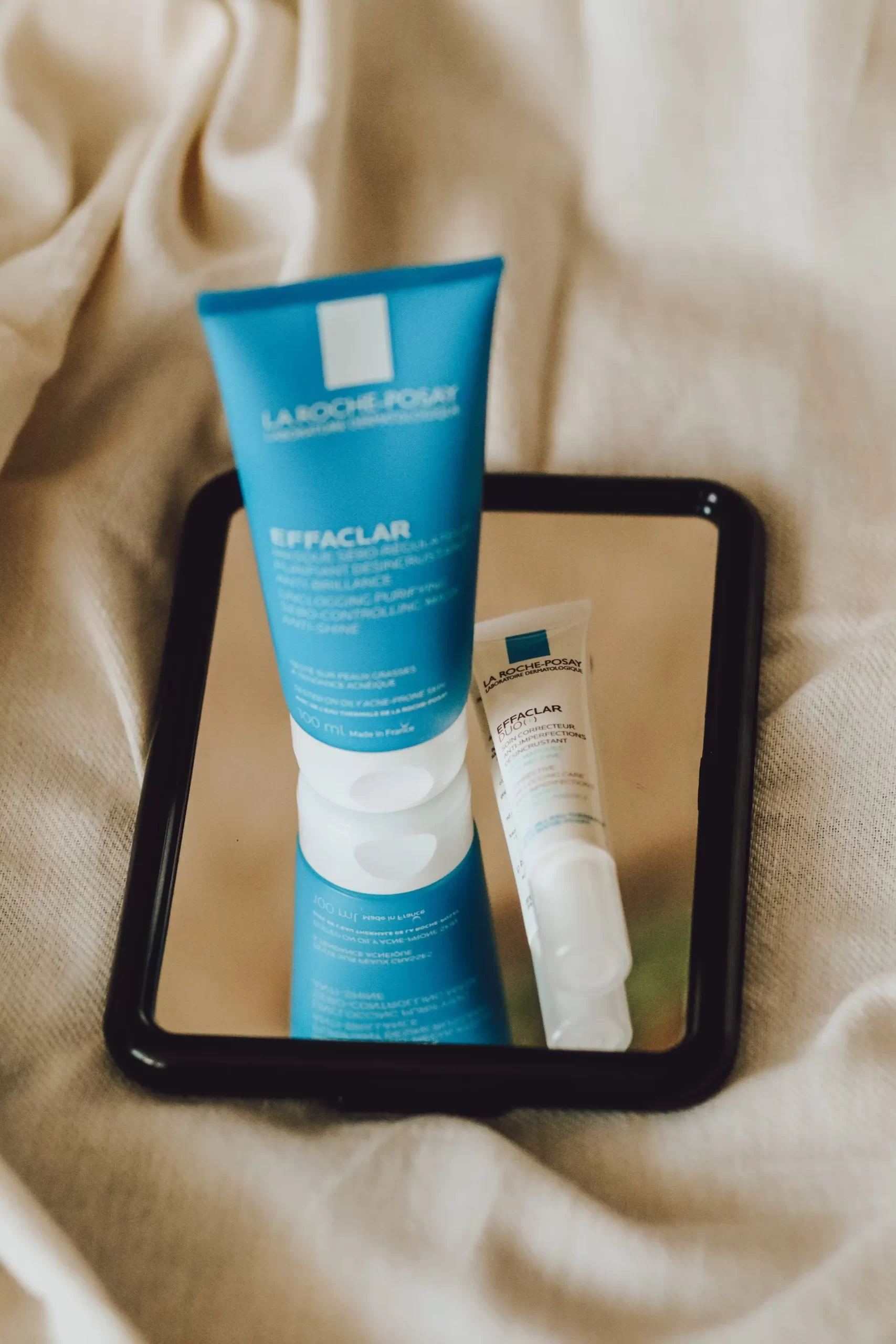
Effaclar Duo+ Acne Treatment
Targeted treatment with salicylic acid and LHA
~$23–$30
Dermatologist go-to for acne management; pharmacy bestseller globally