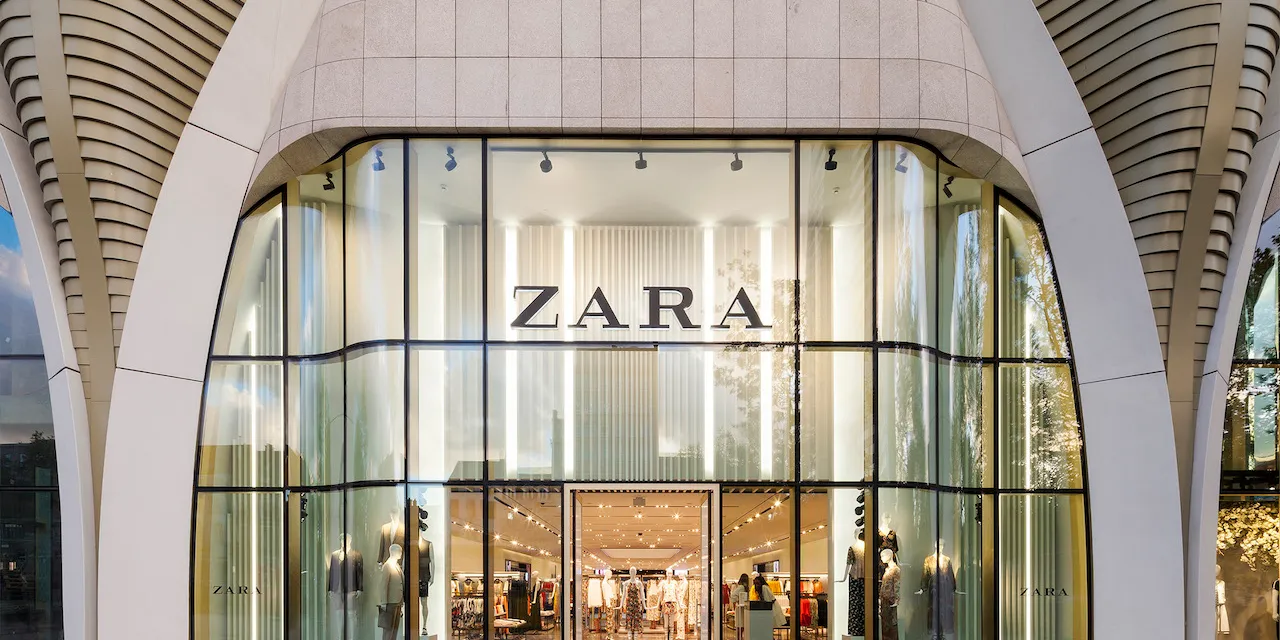
Zara
Rated: Fair
Price: $$
Location: Spain
Quick verdict
Zara is the world's largest fast fashion retailer and the pioneer of the ultra-fast production model. Its Join Life line uses organic cotton, Tencel, and recycled materials, and Inditex has set SBTi-validated climate targets. More than many fast fashion peers. But these efforts cover only a fraction of its colossal output. The brand has made incremental progress, yet critics consistently flag the fundamental impossibility of making a business model built on hyper-consumption sustainable through material swaps alone.
Key info
- Headquarters
- Arteixo, A Coruña, Spain (Inditex S.A.)
- Founded
- 1975
- Product categories
- Fast Fashion, Womenswear, Menswear
- Price range
- $$
- Key certifications
- GOTS, OCS, GRS (select Join Life items), Tencel/Lenzing, LWG, BCI. No brand-wide certification.
Zara sustainability rating
Our ratings are based on a scale from 1 (We Avoid) to 5 (Excellent). How we rate
Rating breakdown
Join Life uses organic cotton, Tencel lyocell, and recycled polyester. Targets 100% sustainable cotton/linen/polyester by 2025. But Join Life covered ~47% of the 2020 collection. Over half didn't meet even Zara's own bar.
Works with 1,790+ suppliers across 6,615+ factories, Member of ACT for living wages. But no evidence workers are paid living wages. Scored 36% on Fashion Transparency Index. Historical links to Uighur forced labour concerns.
SBTi target: 90% Scope 1&2 reduction, 20% Scope 3 reduction. Net-zero by 2040, One of five fashion companies disclosing production volumes. But there is no evidence the brand is on track to meet them. The model. New items every ~13 days. Directly undermines commitments.
More transparent than most fast fashion: publishes supplier lists, production volumes, audit data. Executive bonuses tied to ESG metrics. But scored 0 on Remake's traceability metric and only 36% on Fashion Transparency Index.
On-trend, runway-inspired designs at $15–$90. Quality is inconsistent: Trustpilot averages 1.3/5 from 21,000 reviews, flagging declining quality and poor customer service.
What they do well
- Join Life initiative. Covered ~47% of the 2020 collection with organic cotton, Tencel lyocell, and recycled materials, one of the larger sustainable sub-collections in fast fashion
- Relative transparency. Publishes supplier lists, production volumes, audit data, and detailed annual sustainability reports at Inditex group level
- Circular economy programs. Including Closing the Loop garment collection in stores and ZARA PRE-OWNED resale platform (UK)
- SBTi-validated climate targets. And one of only five major fashion companies disclosing annual production volumes
- ESG-linked executive compensation—a structural accountability mechanism tying bonuses to sustainability metrics
Room for improvement
- The fundamental business model is the problem. Releasing new products every ~13 days across ~3,000 stores in 96 countries creates overconsumption that no "sustainable line" can offset. Critics consistently flag Join Life as greenwashing relative to total output
- Living wages remain unverified. DespiteACT membership, no evidence workers are paid living wages. The gap between executive pay and garment worker pay remains vast
- Scored 0 on Remake's traceability metric. Does not trace animal products to first production stage and publishes no brand-specific supply chain data
About Zara
Zara, founded in 1975 by Amancio Ortega, is the crown jewel of Inditex. The world's largest fashion group with over $30 billion in annual sales. Zara essentially invented the modern fast fashion model: design-to-store in under 15 days, twice-weekly drops, and nearly 3,000 stores creating constant urgency to buy.
Its Join Life initiative (launched 2015) uses organic cotton, Tencel lyocell, and recycled polyester, and Inditex has set genuinely ambitious targets: net-zero by 2040, 100% sustainable key materials by 2025, zero waste to landfill. The group conducts over 10,000 factory audits annually. The brand received upgraded sustainability ratings in December 2024, acknowledging progress.
Sustainability analysts remain deeply skeptical. Remake's 2024 report found Inditex scored zero on traceability despite engaging with the assessment, Allegations of worker exploitation in Brazil and Turkey, links to Amazon deforestation through opaque leather supply chains, and Uighur forced labour concerns have plagued the brand. The core tension remains: a business built on billions of garments annually cannot be made sustainable through material swaps alone.
Manufacturing spans 6,615+ factories across dozens of countries. Shipping is free over certain thresholds with 30-day returns. Trustpilot reviews (1.3/5 from ~21,000 reviews) reveal widespread frustration with delivery, returns, and customer service. Suggesting operational cracks behind the polished facade.
Product highlights
Join Life Organic Cotton T-Shirt
Basic crew-neck, 100% organic cotton
~$15–20
Most accessible sustainable entry point; GOTS/OCS certified material
Join Life Recycled Wool Blend Coat
Structured overcoat with recycled wool
~$90–150
Brings sustainable materials into higher-ticket pieces
Join Life Tencel Lyocell Dress
Midi/maxi dress in sustainable lyocell
~$40–60
Tencel uses less water and energy than conventional cotton
ZARA PRE-OWNED Platform
UK-based resale/repair/donation service
Free to use
First step into circular retail, though no efficacy data published