
Corkor
Rated: Great
Price: $$
Location: Portugal
Quick verdict
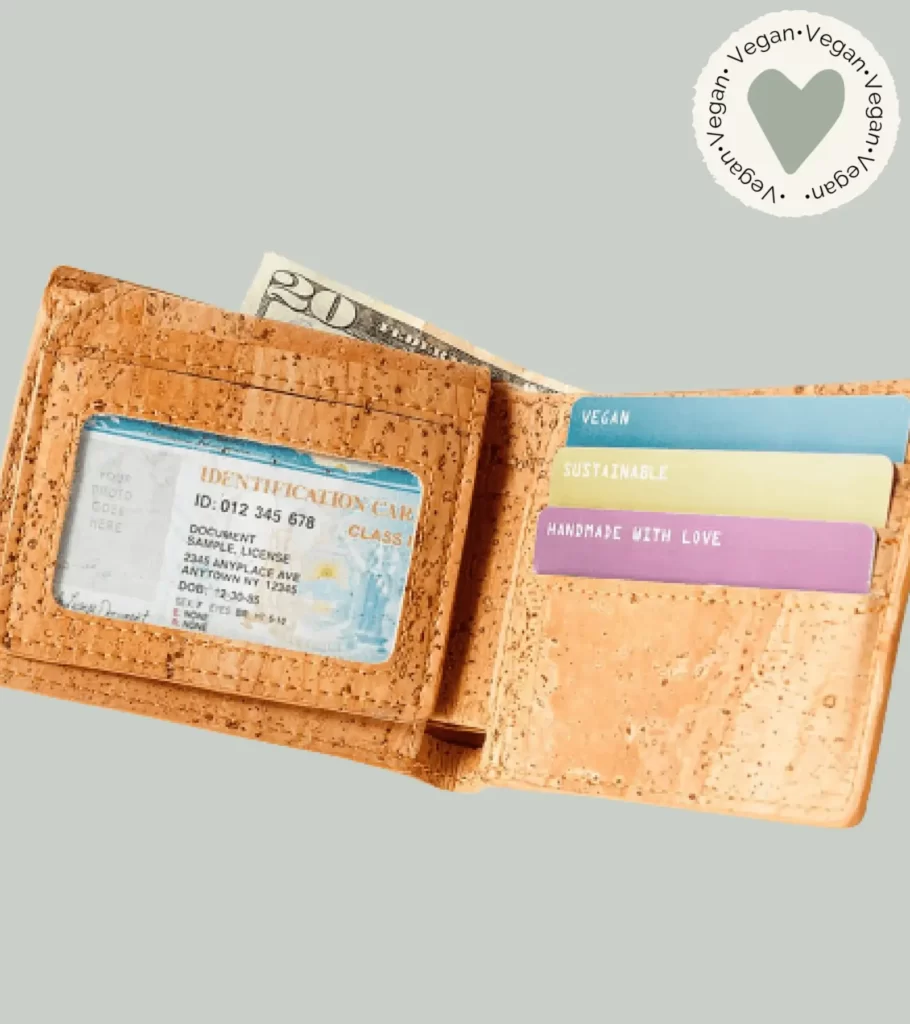
Corkor is best for vegan and eco-conscious shoppers looking for affordable, animal-free accessories made from renewable cork. The brand's standout strength is its core material (cork is naturally renewable, biodegradable, and carbon-negative when harvested) all crafted locally in Portugal. The key caveat is that some products contain synthetic backing materials beneath the cork layer, which creates a transparency gap between marketing and material reality.
Key info
- Headquarters
- Palmela, Portugal
- Founded
- ~2012
- Product categories
- Accessories, Vegan
- Price range
- $$
- Key certifications
- PETA-Approved Vegan, FSC-Certified Cork
Corkor sustainability rating
Our ratings are based on a scale from 1 (We Avoid) to 5 (Excellent). How we rate
Rating breakdown
Cork is one of the most genuinely sustainable materials available: harvested without harming trees, naturally biodegradable, and carbon-negative. Sourced locally from Portuguese cork oak forests with FSC certification. However, some products use microfibre/plastic substrate backing, and the brand hasn't been fully transparent about this.
Products are handmade in Portugal, subject to EU labour protections. The team is small and employs mainly women. However, there is no evidence of living wage guarantees. No formal code of conduct or third-party labour certifications exist.
Cork oak forests are carbon sinks. Local production minimises transport emissions. Packaging is 100% recyclable/compostable and plastic-free. Water-based, non-toxic inks used. Small-batch production prevents overproduction. However, there is no evidence of action on hazardous chemical reduction.
The brand shares its location and describes its workshop, but publishes no formal impact reports, no detailed supply chain maps, no quantified environmental data. The disconnect between marketing cork as natural/compostable while some products contain synthetic backing is a notable gap.
Wallets at $33–$85 and bags at $65–$200 are very accessible for certified-vegan, sustainably made accessories. The DTC model eliminates middleman markups. Competes well against Matt & Nat and undercuts luxury sustainable brands significantly. Free shipping on orders over $99, plus a 2-year warranty.
What they do well
- Genuinely sustainable core material: cork is renewable, biodegradable, carbon-negative, and harvested without cutting trees: one of the most eco-friendly materials in fashion
- PETA-Approved Vegan with 100% animal-free products and cotton linings, a strong animal welfare commitment
- Local, vertically integrated production: designed, handcrafted, and shipped from Portugal with locally sourced cork, minimising transport emissions
- Accessible pricing for sustainable goods: DTC model keeps prices at $33–$200, well below most sustainable accessory brands
- Anti-fast-fashion production model: small-batch, handmade manufacturing prevents overproduction waste
Room for improvement
- Synthetic backing materials undermine the natural narrative: Trustpilot reviewers report belts and other products contain significant plastic/microfibre substrate beneath the cork layer, contradicting marketing that emphasises natural, compostable materials. This is the brand's most significant credibility issue.
- No living wage guarantee. There is no evidence of living wage payment despite production being in Portugal with EU protections.
About Corkor
Corkor was founded by Natália Guerreiro and Vítor Lopes, a Portuguese couple who grew up surrounded by cork oak forests. From their workshop in Palmela (near Lisbon and one of the world's biggest cork-producing regions), they build every product around a single material: cork leather.
Cork bark is hand-harvested every 9–12 years without harming the tree, which can live 200 years. Portugal produces over half the world's cork, and the industry supports rural economies while protecting the biodiverse Montado ecosystem. Corkor's products are handcrafted in-house, with larger bags outsourced to a nearby family-run artisan workshop.
The brand holds PETA-Approved Vegan and FSC certifications but lacks B Corp, Fair Trade, or GOTS certification (unsurprising for a small family business, but a gap nonetheless. Cork's properties) lightweight, water-repellent, scratch-resistant, and hypoallergenic, make it a compelling leather alternative.
At $33–$200, Corkor is one of the most affordable sustainable accessory brands available, undercutting competitors like Matt & Nat and Angela Roi while offering a more unique material story. Products come in recyclable, plastic-free packaging with non-toxic inks.
Product highlights
Slim Bifold Wallet
Classic minimalist cork leather wallet, 6 card slots, personalised engraving available
~$49
Bestseller across Amazon and Etsy; lightweight leather-like feel at an accessible price
Women's Long Zip Wallet
Zip-around cork wallet with multiple card slots and compartments
~$85
Premium wallet option showcasing cork's versatility for functional everyday accessories
Cork Crossbody Bag
Handcrafted cork handbag with cotton lining and plastic-free hardware
~$65–$120
Demonstrates cork as a genuine handbag material; featured in Ecothes' vegan purse guide
Cork Journal Cover (A4)
Refillable journal/notebook cover in cork leather, also available in A5/A6
~$49
Unique product category extending cork beyond accessories; popular personalised gift item


![11 Best Vegan Belts from Cruelty-Free Materials [2026]](/images/blog/vegan-belts.webp)
![12 Luxury Vegan Wallets For Men and Women [2026]](/images/blog/vegan-wallets.webp)
![12 Best Sustainable and Eco Friendly Wallets [2025]](/images/blog/eco-friendly-wallets.webp)