TOMS
Rated: Great
Price: $$
Location: USA
Quick verdict
TOMS is a paradox in sustainable fashion: a certified B Corp with one of the highest community impact scores in the footwear industry, and a genuine pioneer of purpose-driven business, yet its environmental credentials are notably poor. The disconnect reflects a brand that excels at social giving (1/3 of profits to grassroots causes, 105+ million lives impacted) but lags significantly on environmental transparency, material sustainability, and labor verification. The Earthwise collection using organic cotton, recycled materials, and jute is a step forward but still represents a fraction of the total product line. The 2019 near-bankruptcy and creditor takeover reshaped the company's financial structure, and persistent customer service complaints (Trustpilot US: 1.4/5) undermine the feel-good brand story.
Key info
- Headquarters
- Los Angeles, California, USA
- Founded
- 2006
- Product categories
- Shoes
- Price range
- $$
- Key certifications
- B Corp (score 126.7, certified since 2019, 'Best For The World' Community 2022), Fair Labor Association member, Canopy Pack4Good
TOMS sustainability rating
Our ratings are based on a scale from 1 (We Avoid) to 5 (Excellent). How we rate
Rating breakdown
The Earthwise line uses organic cotton, recycled cotton, recycled polyester, recycled rubber, jute, hemp, linen, and recycled foam, genuinely lower-impact materials. However, the brand's overall material usage still relies on few eco-friendly materials, and the 2023 Impact Report acknowledged that the original 2025 target for 100% sustainable cotton is "no longer viable." Non-Earthwise products still rely on conventional materials. The Earthwise collection represents roughly 30% of the product line.
TOMS is a Fair Labor Association member, which requires independent factory audits, published standards, and worker grievance mechanisms, a meaningful commitment. A Supplier Code of Conduct covers child labor, forced labor, wages, overtime, and freedom of association. However, manufacturing occurs in countries with extreme labor abuse risk (China, Vietnam, India) with no evidence of living wage verification. TOMS uses ~285 employees directly but relies on third-party contracted factories it does not own.
Environmental performance is very poor. No evidence of water reduction initiatives, no GHG emission reduction in the supply chain, no textile waste minimisation. The 2023 Impact Report noted a 12.82% reduction in CO2 per package from a warehouse relocation but this is modest. No Science-Based Targets. No published carbon footprint (the brand admitted in 2021 it couldn't complete a full assessment due to supply chain pressures). Packaging uses 80%+ recycled materials and is sourced from sustainably managed forests (Canopy Pack4Good member).
Annual Impact Reports published since 2019 cover giving programs, B Corp progress, and some environmental goals, but are notably thin on supply chain specifics. The FLA membership requires published standards and audit protocols. However, factory names are not published, material composition data is limited per product, and environmental data is sparse. The 2023 report honestly acknowledged missed targets (100% sustainable cotton by 2025 abandoned), which shows some candour.
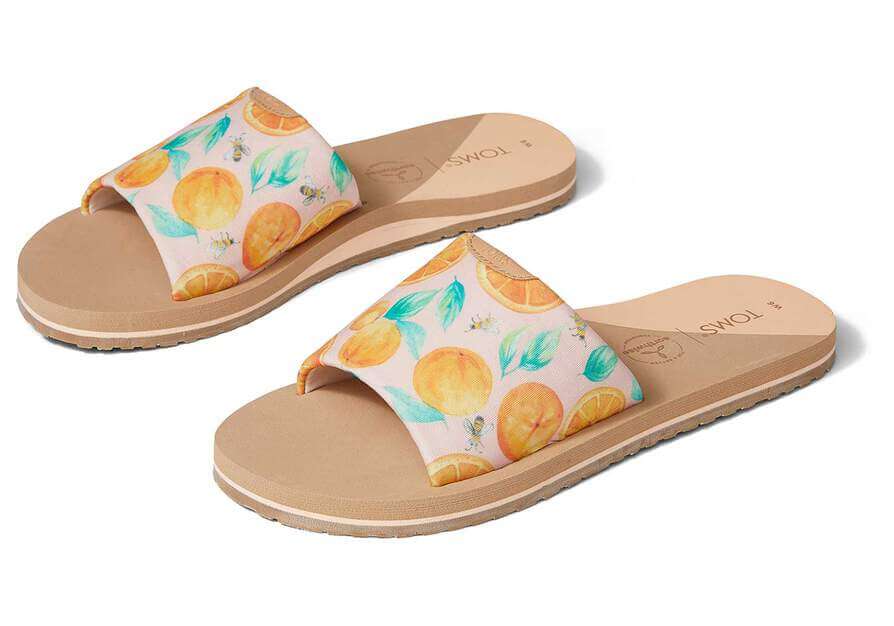
Classic Alpargatas at $40–$65, sneakers at $60–$100, boots at $100–$120, competitive pricing for casual footwear with a charitable giving model. The 1/3 of profits to charity represents real social value embedded in each purchase. Durability complaints exist (soles wearing through, canvas stretching) but remain minority views. The Earthwise line provides genuine environmental value at the same price points.
What they do well
- Social impact at scale: 105+ million lives positively impacted through giving programs; 1/3 of net profits donated to grassroots organisations focused on mental health, equity, and ending gun violence, this is genuine, verified, and substantial
- B Corp excellence: score of 126.7 (median business scores ~50.9); named "Best For The World" in Community (top 5% of B Corps its size in 2022); FLA membership provides independent labour oversight
- Earthwise innovation: the eco-friendly product line uses 100% organic cotton, recycled materials, recycled rubber, and jute with zero virgin plastic; provides a pathway to lower-impact footwear at mass-market pricing
- ThredUp resale partnership: launched in 2023, enabling customers to resell pre-loved TOMS and buy secondhand pairs, a meaningful step toward circularity with 64,500+ TOMS items recirculated on ThredUp since 2014
- Packaging standards: 80%+ recycled materials, sustainably managed forest sourcing (Canopy Pack4Good), 100% plastic-free in Earthwise products, recycled LDPE polybags for samples
Room for improvement
- Very poor environmental performance. No published carbon footprint, no water reduction initiatives, no textile waste programs, and the 100% sustainable cotton target has been abandoned. For a B Corp of this profile, this gap is notable and weakens the sustainability narrative.
- Factory names and audit results remain unpublished. As an FLA member, TOMS has robust audit protocols, but factory locations remain undisclosed. Publishing a supplier list would bring TOMS in line with best-practice transparency standards.
About TOMS
Blake Mycoskie founded TOMS in 2006 after visiting an Argentine village where children lacked shoes. The "One for One" model, buy a pair, donate a pair, became the defining corporate social responsibility innovation of the late 2000s, inspiring dozens of imitators and distributing over 100 million pairs of shoes to children worldwide. TOMS expanded into eyewear (donating sight-saving treatments), coffee (donating clean water), and bags, becoming a cultural phenomenon synonymous with purpose-driven commerce.
The financial reality was harsher—in 2014, Ba in Capital acquired a 50% stake valuing TOMS at $625 million including debt. By 2019, the company was struggling under a $300 million debt load, declining relevance as the "novelty" of BOGO faded, and intense competition from brands like Allbirds that married sustainability with product innovation. In December 2019, creditors led by Jefferies, Nexus Capital, and Brookfield took over ownership from Mycoskie and Bain, injecting $35 million and restructuring the balance sheet.
The giving model evolved: TOMS now donates 1/3 of net profits rather than matching products, funding organisations across mental health (its current primary focus), equity, and gun violence prevention. The brand became a certified B Corp in 2019 (score: 96.3), rising to 121.5 in 2021 and 126.7 most recently. On sustainability, TOMS is significantly behind peers. The Earthwise collection uses organic cotton, recycled polyester, jute, hemp, and recycled rubber, but represents roughly 30% of the product line. The brand's overall environmental performance remains very poor, reflecting a brand that has historically prioritised social impact over environmental rigour.
Manufacturing happens across contracted factories in China (retail products), Vietnam, India, and in giving-focused locations like Kenya, Ethiopia, Haiti, and Argentina, where production creates local employment. TOMS moved ~40% of donation shoe production to countries where it gives. The brand is an FLA member with published Supplier Code of Conduct standards covering core ILO principles. For Ecothes readers, TOMS offers genuine social value through its giving model and B Corp certification, but the environmental story needs substantial work before it can be called a fully sustainable brand. It's a case of a company that's excellent at "People" and "Purpose" but still early-stage on "Planet."
Product highlights
Alpargata Heritage Canvas
Iconic slip-on; Earthwise version uses organic cotton/recycled materials; OrthoLite Eco insole
$55–$65
The shoe that started it all, now available in eco-friendly Earthwise version with organic cotton
TRVL LITE Cabrillo Sneaker
Lightweight knit sneaker with OrthoLite Eco insole; no break-in period
$80–$100
The brand's push into athletic-inspired casual; praised for immediate comfort and lightweight construction
Palomar Leather Boot
Leather Chelsea-style boot with cushioned insole
$110–$120
Higher-end offering showing product range expansion beyond canvas slip-ons
Earthwise Alpargata
100% plastic-free slip-on; organic cotton, jute sole, recycled materials
$55
Demonstrates what TOMS sustainability could look like at scale, fully recyclable, zero virgin plastic
![10 Best Sustainable Shoes Like Toms: Tested & Compared [2026]](/images/blog/shoes-like-toms.webp)